Shipping: The Economy's House of Cards. - Reddit Weighs In
"Greener" Shipping: Just Rearranging Deck Chairs on the Titanic?
The Carbon-Spewing Elephant in the Room So, the UN's International Maritime Organisation (IMO) wants to slap a levy on carbon emissions from shipping. Suddenly, everyone's scrambling for "greener" solutions. Håkan Agnevall, CEO of Wärtsilä, is out there talking about carbon capture tech that can supposedly extract 70% of CO2 from engine exhaust. Sounds great, right? Except...70%? What about the other 30%? And how much energy does *that* tech consume? It's like putting a band-aid on a gaping wound while simultaneously opening another one. Then there's the whole "alternative fuels" charade. LNG is being touted as a greener option, even though it's STILL a fossil fuel. It's like quitting cigarettes and switching to vaping – you're still inhaling poison, just in a different form. What about methanol, ammonia, or hydrogen? They're supposedly "ready," but the supply isn't there yet. We're talking about massive, sustained usage on long-haul voyages. Where's the infrastructure? Where's the investment? Oh right, that would mean actually spending money. And green fuels are two to four times more expensive. So, what's gonna give?Tariffs, Spills, and "Eco-Warriors"—Give Me a Break
Tariffs, Trade Wars, and Tankers Full of Trouble Speaking of money, let's not forget about tariffs. Remember when Trump declared that “tariff” is the “most beautiful word in the dictionary.”? Yeah, well tariffs are basically taxes. The Trump-era tariffs of 2018 showed that most of the impact of these tariffs was borne by consumers and firms inside the United States. So, we end up paying more for everything. How do tariffs work, and who will they impact? UChicago experts explain. And what about the cost of cleaning up the messes? The U.S. Coast Guard is primarily responsible for cleaning up oil spills, while NOAA experts provide scientific support. The Oil Pollution Act of 1990 established that those responsible for oil spills can be held responsible to pay for cleanup and restoration. But cleanup activities can never remove 100% of the oil spilled. Look, I'm all for a cleaner planet, but let's not pretend this is some altruistic endeavor. This is about money, power, and dodging regulations. The shipping industry isn't suddenly going to become eco-warriors overnight. Offcourse, it's also about geopolitics. Oil security is making sure that we have adequate supply at affordable prices. Russia is still moving its oil, and new countries are takers of Russian oil, and they’re buying it at discounted prices."Progress!" (But Not Fast Enough...Give Me a Break)
The "Movement" is Starting...But Is It? Agnevall says, "The movement has started and I do see it's accelerating. So with a positive perspective, a lot of things are happening. But is it going fast enough? No.” That last part is doing some heavy lifting. It's a classic corporate dodge. "Things are happening!" (But not fast enough). "We're making progress!" (But we're still polluting the planet). It's the kind of PR-speak that makes my skin crawl. Then again, maybe I'm just too cynical. Maybe there are genuine efforts being made to make shipping more sustainable. Maybe, just maybe, this isn't all just a giant greenwashing scheme designed to appease regulators and boost profits. But let's be real: I seriously doubt it. So, What's the Real Endgame? The shipping industry's "green revolution" ain't about saving the planet. It's about saving their bottom line, dodging regulations, and maintaining the status quo. Don't expect miracles, because you ain't gonna get them.
Previous Post:Bitcoin Climbs Past $90,000 Amid Recovery Attempt: What's driving the bounce and if it's sustainable
No newer articles...
Related Articles

Elon Musk's Pay Package Approved: What's Next?
Elon Musk's $1 Trillion Payday: Are We Living in a Simulation? A trillion-dollar payday for Elon Mus...
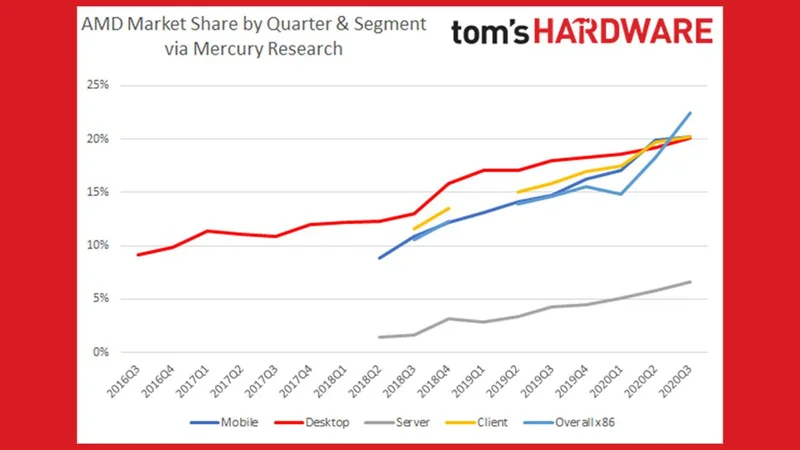
AMD's 58% Rally: Analyzing the Data vs. the Market Hype
The numbers flicker across the screen in an almost hypnotic shade of green. For anyone holding Advan...
Tesla's Earnings Miss: Musk's sideshow vs. the actual numbers
The Sideshow Completely Swallowed the Circus Let's be clear about one thing: Tesla's Q3 earnings cal...
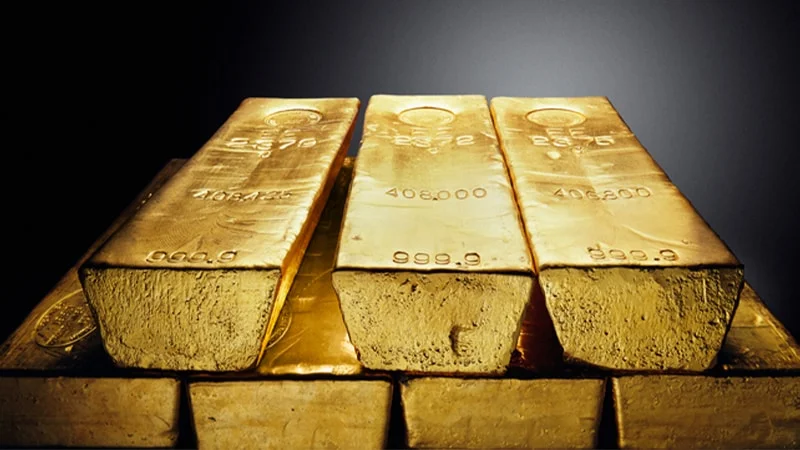
Gold Price Analysis: Today's Price, Key Metrics, and the Silver Correlation
Gold's Dizzying Climb to $4,000: A Sober Look at the Numbers Behind the Hype The numbers flashing ac...

The End of an Era for Hawaiian Airlines: What the 'HA' Callsign Retirement Means for the Future
The Ghost in the Machine: When Corporate Mergers Erase Digital Identities ==========================...

IBM's Q3 Earnings Beat: Deconstructing the Market's Negative Reaction
Generated Title: IBM Beat the Numbers, But Lost the Narrative. Here's Why. It’s a classic Wall Stree...